How an Emergency Dentist Diagnoses the Cause of Intense Tooth Pain

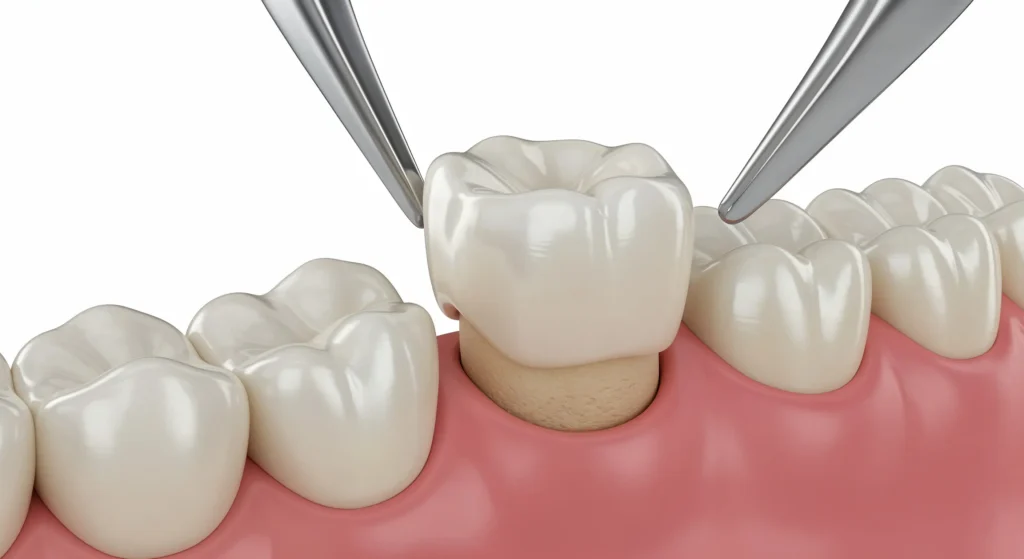
Intense tooth pain has a way of collapsing everything else around it. People who can tolerate a sprained ankle, a long flight delay, or a bad headache often find themselves unable to think clearly once a tooth starts throbbing. The reason is partly anatomical. Teeth are small structures, but they contain living tissue, dense nerve supply, and direct connections to the bone and gum around them. When something goes wrong, the pain can feel sharp, deep, pulsing, hot, electric, or strangely hard to locate.
That is where an Emergency Dentist earns their keep. The job is not simply to stop pain, although that matters right away. The real task is to identify the actual source, separate urgent from dangerous, and decide what treatment will relieve symptoms without missing a more serious problem underneath. In practice, that means a fast but disciplined diagnostic process. Severe dental pain can come from a cracked tooth, an abscess, deep decay, a failing filling, gum infection, trauma, sinus pressure, jaw joint dysfunction, or even pain that is being referred from somewhere else.
Patients are often surprised by how methodical the visit is, especially when they arrive convinced the answer is obvious. Someone may point to the upper left molar because that is where the pain feels strongest, only to discover the problem is a lower tooth, or a crack that only hurts when pressure is released, or an infection draining in a way that changes the pattern of pain entirely. In emergency dental care, the first story rarely tells the whole story.
The first few minutes matter more than most people realize
When someone arrives in severe pain, the first phase of diagnosis begins before an instrument touches a tooth. A skilled clinician watches how the patient speaks, whether they can close their mouth comfortably, whether the face appears swollen, and whether there is any difficulty swallowing, fever, or visible asymmetry. Those details help separate a painful dental problem from a potentially spreading infection that may need immediate escalation.
A patient with classic irreversible pulpitis, where the nerve inside the tooth is inflamed beyond recovery, often looks miserable but stable. They may describe spontaneous pain that wakes them up, pain from cold that lingers for minutes, or intense episodes that come in waves. A patient with an abscess can look different. There may be fullness in the cheek, tenderness to touch, a bad taste from drainage, or pain that feels more like pressure than zing. If the infection has started to spread into facial spaces, the level of concern rises quickly.
This early read is not guesswork. It is pattern recognition built from seeing the same conditions present in slightly different ways. Good emergency diagnosis balances speed with restraint. Jump too fast, and you risk treating the wrong tooth. Move too slowly, and the patient suffers unnecessarily.
The history often points the way before the exam confirms it
The conversation about pain is more valuable than many patients expect. Not every clinician asks exactly the same questions, but the themes are remarkably consistent. When did the pain start. Was it sudden or gradual. Is it triggered by cold, heat, sweets, or biting. Does it linger after the trigger is gone. Is it constant. Is it worse lying down. Has there been recent dental work. Was there trauma, even something minor, like biting hard on a seed or clenching during a stressful week.
Those answers narrow the field. Pain that lingers after cold often suggests inflamed pulp inside the tooth. Pain on biting, especially if sharp on release, raises suspicion for a crack. Heat sensitivity can point toward a dying pulp in certain cases. A dull ache with swelling may indicate infection around the root. Generalized soreness in multiple teeth can sometimes turn out to be sinus related, especially in the upper back teeth, because the roots sit close to the sinus floor.
Medication history matters too. If someone has been taking ibuprofen around the clock, it can mute signs that would otherwise be more obvious. If they are immunocompromised, pregnant, on blood thinners, or undergoing cancer treatment, the diagnostic and treatment pathway may change. The same goes for recent root canal treatment, extractions, orthodontics, or nighttime grinding.
One of the more useful real-world clues is whether the patient can localize the pain. Early pulpal inflammation is often poorly localized. Patients gesture vaguely to one side of the mouth. Once inflammation spreads to the ligament around the root, the tooth often becomes much easier to identify because biting on it feels distinctly wrong. That transition tells the Emergency Dentist something about how far the process has progressed.
Pain location can be deceptive
People assume painful teeth announce themselves clearly. Sometimes they do. Often they do not. The brain is not especially elegant at mapping dental pain, particularly when inflammation is deep or multiple teeth have large restorations. The result is referred pain, where the sensation is felt in an area adjacent to, above, below, or even opposite the true source.
A common example involves lower molars referring pain to the ear or jaw angle. Another involves upper molars creating pain that feels sinus-like or radiates toward the temple. A cracked tooth may only hurt during chewing and then quiet down during the exam, leaving the patient wondering if they imagined it. Conversely, a tooth with a dying nerve may become less temperature-sensitive over time, even as infection builds at the root tip. Less sensitivity does not always mean improvement.
That is why the exam rarely focuses on the one tooth the patient points to. An experienced dentist compares neighboring teeth, opposing teeth, and often the entire quadrant. They are not being overly cautious. They are avoiding one of the easiest mistakes in emergency care, which is treating the loudest pain rather than the actual source.
The visual exam reveals more than cavities
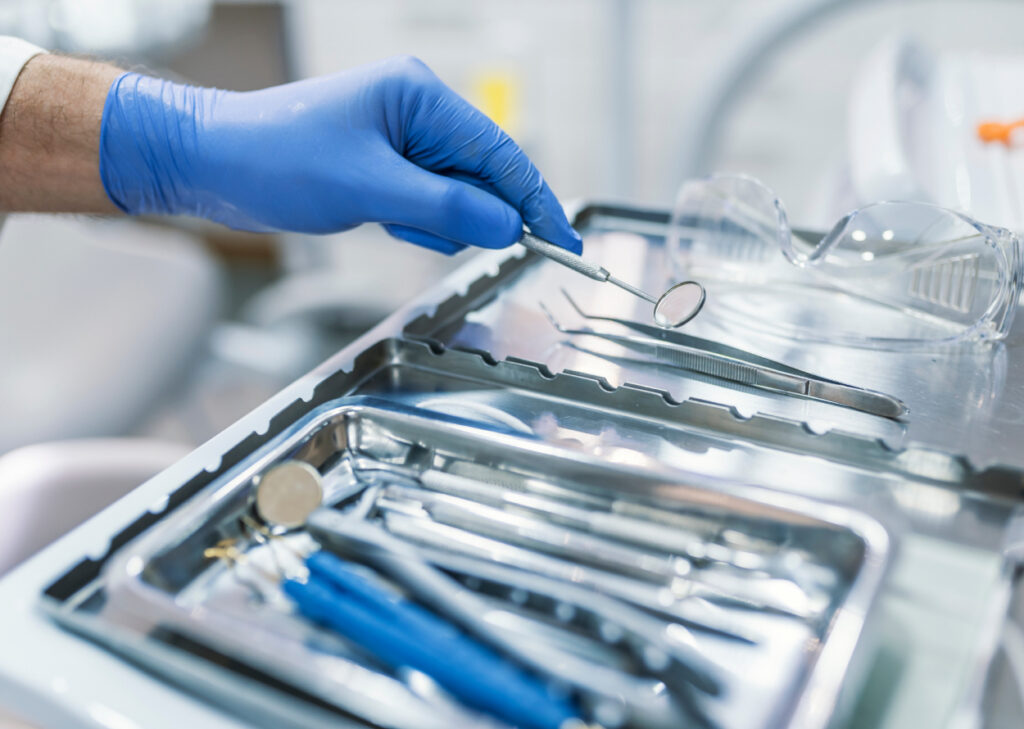
The mouth tells a detailed story if you know where to look. A simple mirror-and-light inspection can uncover obvious decay, fractured cusps, swollen gum tissue, broken fillings, food impaction, exposed root surfaces, ulceration, or pus drainage near the gumline. It can also show subtler clues, such as wear facets from grinding, craze lines, darkening of a tooth after trauma, or tenderness in the tissue around one root compared with the rest.
Sometimes the issue is visible immediately. A large cavity has reached the pulp chamber. A crown margin has opened. A section of tooth has split away. A wisdom tooth is partially erupted and the gum flap around it is inflamed. In other cases, the mouth looks almost normal, and the real information comes from targeted testing.
It is also during this stage that the dentist checks the surrounding structures. Not all severe oral pain starts in a tooth. Gum abscesses, severe periodontal pockets, pericoronitis around a lower wisdom tooth, a food trap between teeth, ulcerated tissue, or even a lodged popcorn husk can produce pain dramatic enough to send someone searching for urgent care. A competent emergency evaluation treats the mouth as a system, not just a row of separate teeth.
Diagnostic tests that help pinpoint the source
Emergency dental diagnosis relies on several quick chairside tests. Each one adds a piece to the puzzle. None should be interpreted in isolation. The strength comes from matching the test findings to the patient’s history and exam.
Here are the most common tests an Emergency Dentist may use during a pain visit:
- Temperature testing, usually with cold, to see whether a tooth responds normally, excessively, or not at all.
- Percussion, which means gently tapping the tooth to check whether the ligament around the root is inflamed.
- Palpation of the gums and bone above the roots to detect tenderness, swelling, or drainage.
- Bite testing, often with a small instrument, to uncover pain from cracks or ligament irritation.
- Mobility and periodontal probing, which help reveal support loss, root fracture, or gum-based infection.
Cold testing is especially informative. A healthy nerve responds briefly, then settles. A tooth with reversible inflammation may feel sensitive but recover quickly. A tooth with irreversible pulpitis often reacts strongly and keeps aching after the stimulus is removed. A nonresponsive tooth can suggest a necrotic pulp, though restorations, calcification, and recent trauma can complicate that picture.
Percussion helps distinguish between pain confined inside the tooth and pain that has spread into the supporting tissues. If a tooth hurts sharply when tapped, the ligament may be inflamed, often because infection or trauma has extended beyond the pulp.
Bite testing deserves special mention because cracks are easy to miss. One classic pattern is pain when pressure is released rather than applied. Patients describe it as a stab or a flash. If that response happens consistently on one cusp, suspicion rises for a cracked tooth. These cases can be frustrating because the crack may be nearly invisible, especially if it runs under an old filling.
X-rays are essential, but they do not answer every question
Patients often think the x-ray is the diagnosis. Sometimes it is. More often, it is one powerful piece of evidence. Dental radiographs can reveal deep decay, infection at the root tip, bone loss, impacted teeth, leaking restorations, widened ligament space, root fractures in some cases, and hidden pathology under existing work. They are indispensable in emergency care.
Still, x-rays have limits. Early cracks often do not show. Acute pulpal pain can be intense before any change appears around the root. A tooth can be dying while the radiograph looks deceptively ordinary. This is one reason experienced clinicians never tell a patient, “The x-ray looks fine, so nothing is wrong,” when the symptoms clearly say otherwise. A normal-looking image does not cancel a convincing clinical picture.
The angle of the image matters too. A small abscess can hide if the projection misses it. A cavity between teeth may look modest on one view and much deeper on another. Existing crowns and large fillings can obscure margins. If symptoms and imaging do not match, the dentist may take additional views, compare older films if available, or make a provisional diagnosis and advise close follow-up.
In emergency practice, the art lies in knowing when an x-ray settles the matter and when it simply rules out certain possibilities.
Common causes of severe tooth pain, and how they present differently
The public often uses “toothache” as if it were a single condition. It is not. Severe pain can arise from very different disease processes, and each tends to leave a different fingerprint.
Deep decay reaching the pulp usually develops over time, though the pain may seem sudden once the nerve becomes inflamed. These patients often report cold sensitivity that progressed into spontaneous pain. Night pain is common. They may not notice swelling at first.
A cracked tooth can be more erratic. The pain may appear only during chewing, especially on something firm or fibrous. Temperature can trigger it too, but not always. Many cracked teeth have old fillings, heavy bite forces, or a history of grinding behind them. They can be tricky because the tooth may look intact from above.
An abscess usually brings pressure, throbbing, tenderness to biting, and sometimes swelling or a bad taste. If drainage occurs, pressure may lessen temporarily, fooling the patient into thinking the problem resolved. It did not. The infection found a path, but the source remains.
Gum-related pain behaves differently. A periodontal abscess often causes localized gum swelling next to the tooth rather than within it. The tooth may feel high or loose. There may be deep pocketing https://medium.com/@simpledentalsouthgate/about or trapped debris between teeth. Treatment focuses less on the nerve and more on draining infection and addressing the periodontal issue.
Sometimes the tooth itself is not the culprit. Sinus inflammation can create pain in several upper molars at once. Clenching can make teeth feel sore and sensitive without one clear offender. Temporomandibular disorders can mimic dental pain, especially when muscles refer ache into the jaws. That is why the best emergency dentists keep a broad differential until the evidence narrows it.
When swelling changes the level of urgency
Not all tooth pain is dangerous, but facial swelling deserves respect. A localized gum boil next to a tooth is one thing. Rapidly developing swelling in the cheek, floor of the mouth, or under the jaw is another. Infection in these spaces can interfere with swallowing, speaking, and in serious cases breathing.
A dentist assessing swelling will note whether it is soft or firm, whether it is fluctuating, whether the skin looks stretched, and whether there are systemic signs such as fever, malaise, or swollen lymph nodes. They will also ask about progression. Swelling that appeared overnight and is worsening is very different from mild puffiness that has lingered unchanged.
These are situations where emergency diagnosis becomes triage. The goal is not merely to identify a bad tooth. It is to decide whether the patient can be treated safely in the office, needs urgent drainage, should start medication, or requires hospital-level assessment. Good judgment matters just as much as technical skill.
Why recent dental work often complicates the picture
One of the harder emergency visits involves pain after a filling, crown, or root canal. Patients understandably assume the recent procedure caused harm. Sometimes the treatment is connected, but not always in the way they think.
A newly placed filling can leave a tooth temporarily sensitive to cold or pressure, especially if the decay was deep. If the bite is even slightly high, the tooth may become very sore to chewing because the ligament gets overloaded. That is a simple fix, but the symptoms can be dramatic. On the other hand, lingering thermal pain after deep restorative work can mean the pulp did not recover and now needs root canal treatment.
Crowns bring their own set of questions. Is the bite balanced. Is there recurrent decay under the edge. Has the tooth cracked. Has the cement washed out. With root canal teeth, post-treatment flare-ups, missed canals, vertical fracture, or problems in the surrounding tissues can all mimic one another. These cases reward careful re-testing rather than assumptions.
I have seen patients arrive convinced a brand-new crown was defective because they could not chew on it, only to find the real issue was a tiny crack in the opposing tooth. I have also seen modest postoperative sensitivity turn into a full pulpal emergency within days because the decay beneath the restoration had already pushed the nerve close to the limit. Same symptom, very different diagnosis.
The role of pressure, posture, and timing
A small but useful part of diagnosis comes from details patients almost leave out. Does the pain worsen when bending over. That can happen with pulpal pressure or sinus involvement. Is it worse at night. That is common in pulpal inflammation because changes in blood flow and the lack of distractions make symptoms more noticeable. Does it improve with cold water. Oddly enough, some teeth with advanced pulpal disease feel temporarily better with cold because it reduces internal pressure.
Patterns like these do not replace examination, but they sharpen the picture. Dentistry is full of subtleties that become obvious only after hearing hundreds of pain histories. A patient may mention, almost as an afterthought, that they can chew on bread but not on nuts, or that the pain disappears for hours after flossing one specific contact. Those details can steer the dentist toward a crack, an open contact with food impaction, or an inflamed ligament from trapped debris.
What patients can expect after the diagnosis is made
Once the source is identified, the Emergency Dentist has to decide whether definitive treatment can be done immediately or whether the first goal is stabilization. That depends on the diagnosis, the level of infection, the available time, and sometimes the condition of the tooth itself.
For irreversible pulpitis, pain relief often requires pulpal treatment, either the beginning of root canal therapy or extraction if the tooth is not restorable. For an abscess, drainage and addressing the source matter more than medication alone. For a cracked tooth, the short-term plan may involve protecting the tooth, adjusting the bite, or placing a temporary measure while the long-term prognosis is assessed. For gum abscesses, cleaning, drainage, and periodontal management may resolve the issue without root canal treatment.
Patients are often disappointed to learn that antibiotics are not a universal answer. If there is no spreading infection or systemic involvement, antibiotics may do little for pure nerve pain. They do not calm an inflamed pulp trapped inside a rigid tooth. That is one of the most important distinctions in emergency care, and one that saves time, avoids unnecessary medication, and gets patients to the treatment that actually works.
Signs the pain may not be “just a toothache”
Some symptoms push a case out of the routine urgent category and into something more serious. These deserve same-day attention and, in some situations, immediate medical care:
- Increasing facial swelling, especially if it spreads toward the eye, jaw, or floor of the mouth.
- Fever, chills, or feeling generally unwell along with dental pain.
- Trouble swallowing, speaking clearly, or opening the mouth.
- Pain after trauma where the tooth is displaced, loose, or associated with lip or jaw injury.
- Bleeding, numbness, or sudden severe pain that does not respond at all to usual measures.
Even within these categories, judgment matters. A small localized swelling near a tooth can be urgent without being dangerous. Difficulty swallowing combined with neck swelling is different territory. A good clinician knows the difference and acts accordingly.
What makes emergency dental diagnosis harder than it looks
People imagine dentistry as visual and mechanical. Drill the cavity, fix the tooth, move on. Emergency diagnosis is much more interpretive than that. Pain is subjective. Teeth can give false positives and false negatives on tests. Patients often arrive after self-medicating, sleeping poorly, and trying not to move the side that hurts, which alters what they feel. Existing crowns, bridges, implants, and prior root canals can obscure the usual clues.
Then there is the human factor. Someone in severe pain may be certain the problem is the upper right second molar because that is the last place they touched. Another person may insist the pain started after popcorn, when the real issue is decay under a 15-year-old filling. A calm, experienced dentist listens carefully without becoming trapped by the patient’s self-diagnosis.
That blend of listening, testing, imaging, and clinical judgment is what makes a strong emergency evaluation. It is also why the best outcomes often come from dentists who resist rushing to the first plausible answer. Fast is good. Fast and accurate is better.
The value of early evaluation
The longer intense tooth pain is left alone, the less predictable it becomes. A simple reversible sensitivity can turn into irreversible inflammation. A cracked cusp can split further. A small infection can expand into swelling. The diagnostic process is usually cleaner when the tooth is examined earlier, before medication, swelling, drainage, and compensating habits blur the picture.
For patients, the practical takeaway is straightforward. If pain is severe, wakes you at night, lingers after hot or cold, hurts to bite, or comes with swelling, do not wait for it to “declare itself.” By the time intense dental pain becomes obvious, the underlying problem has often been progressing for longer than it seemed. An Emergency Dentist is trained to sort through that complexity quickly, identify the true source, and move from uncertainty to a focused treatment plan that protects both comfort and health.
Simple Dental Vermont
Address: 8914 S Vermont Ave, Los Angeles, CA 90044
Phone number: +13239493000
FAQ About Emergency Dentist Los Angeles CA
What can the ER do for a tooth?
The emergency room can provide temporary symptom relief for a bad tooth, such as prescribing pain medicine or antibiotics, but it cannot fix the actual dental problem.
What is the 3-3-3 rule for tooth infection?
The 3-3-3 rule for a toothache or infection typically means taking three 200 mg ibuprofen tablets (600 mg total) three times a day for no more than three days to control pain and swelling while waiting to see a dentist.
What do you do if you have a dental emergency but no dentist?
If you have a dental emergency and no regular dentist, you should search for an urgent care dental clinic, call local walk-in dental offices, or go to a hospital emergency room if you have severe bleeding, swelling, or trouble breathing.